
Expert Picks for Home Demolition Equipment You Can Rely On
Find high-performance demolition gear selected by industry experts to help you tackle projects with confidence and precision.
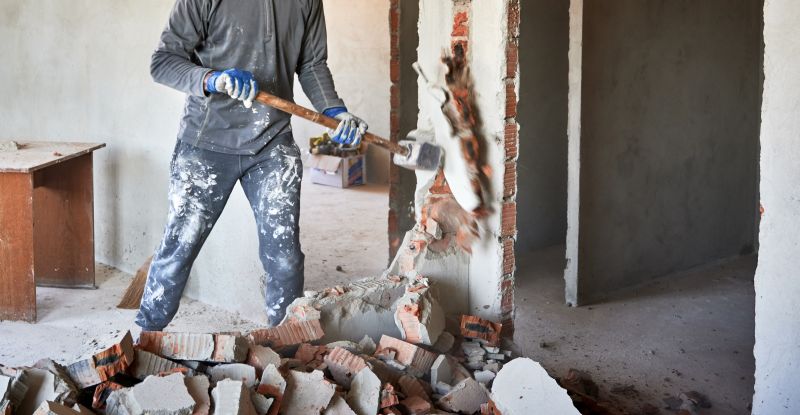 Home demolitions often require a variety of specialized tools and equipment to ensure the process is efficient and safe. From initial site clearing to the final debris removal, selecting the right products can significantly impact the ease and effectiveness of the project. Proper planning involves understanding the scope of demolition, the structures involved, and the materials to be removed. Whether undertaking a small interior gut or a complete house teardown, having the appropriate tools is essential to achieve desired results while maintaining safety standards.
Top Overall Option
Heavy-Duty Demolition Hammer
A versatile demolition hammer with adjustable settings and ergonomic design can be a central tool for breaking through concrete, brick, and other tough materials. Its robust construction and variable speed options allow for precise control, making it suitable for a range of demolition tasks. When choosing a demolition hammer, consider models with vibration reduction features and multiple chisel attachments to enhance functionality and user comfort.
Types of Products For Home Demolitions
Demolition Hammers
Powerful tools designed for breaking concrete, brick, and stone, essential for heavy-duty demolition tasks.
Reciprocating Saws
Versatile saws ideal for cutting through wood, drywall, and metal during demolition projects.
Pry Bars
Tools used for prying apart materials and removing nails, helpful in tearing down structures.
Sledgehammers
Heavy hammers suitable for breaking through walls and large structures with force.
Recip Saw Blades
Specialized blades designed for different materials like wood, metal, or masonry.
Dust Masks and Respirators
Protective gear essential for safeguarding against dust, debris, and airborne particles.
Safety Goggles
Eye protection to shield against flying debris and dust during demolition work.
Heavy-Duty Debris Containers
Durable bins for collecting and transporting demolition waste efficiently.
Extension Cords
Heavy-gauge cords to provide power to tools in large or remote work areas.
Wheelbarrows
Essential for transporting debris and materials around the worksite.
Concrete Saws
Powerful saws equipped with diamond blades for cutting through concrete and masonry.
Nail Pullers
Tools designed for removing nails and fasteners efficiently during demolition.
Lifting Straps
Equipment to help lift and move heavy materials safely and with less effort.
Protective Clothing
Durable workwear including gloves, coveralls, and steel-toe boots for safety and comfort.
Hydraulic Breakers
Heavy machinery attachments used for breaking concrete and rock with hydraulic power.
Popular Choices
Popular for its portability and versatility, suitable for various cutting tasks during demolition.
A common choice for breaking through walls and large structures with manual force.
Widely used for its power and efficiency in breaking concrete and masonry.
Essential for protecting against dust and airborne particles during demolition work.
Popular for use with angle grinders to cut through stone, brick, and concrete.
Trusted for hand protection during manual demolition tasks.
Commonly used to extend reach for electric tools in large work areas.
Popular for debris transport and site cleanup.
Frequently used with hammers to chip away at concrete surfaces.
Effective for managing dust and debris during power tool operation.
Popular for illuminating work areas during demolition in low-light conditions.
Commonly used for removing fasteners efficiently during tear-downs.
Heavy-duty demolition tools are designed to handle tough materials like concrete, brick, and wood. These tools often feature durable construction and ergonomic designs to reduce operator fatigue. Safety gear, including protective eyewear, gloves, and respirators, complements the equipment to safeguard workers from dust, debris, and potential hazards. Additionally, accessories such as replacement blades, extension cords, and specialized attachments can enhance the versatility and longevity of your tools.
Proper disposal and debris management are also crucial components of home demolition projects. Heavy-duty debris containers, tarps, and clearance equipment help organize and transport waste efficiently. Planning for waste separation, recycling, and disposal ensures compliance with local regulations and promotes a cleaner worksite. Investing in high-quality products tailored for demolition tasks can streamline the process, reduce downtime, and contribute to a safer working environment.
Overall, selecting the right products for home demolition involves considering the scope of work, safety requirements, and the types of materials involved. Ensuring compatibility between tools and accessories, as well as prioritizing durability and ergonomic design, can make demolition projects more manageable. Proper preparation and the right equipment are key to completing home demolitions effectively and safely.
Key Buying Considerations
- Assess the scope and scale of the demolition project to determine the necessary power and size of tools.
- Prioritize safety features such as vibration reduction, ergonomic design, and safety guards.
- Choose tools compatible with a variety of attachments and accessories for versatility.
- Consider the power source—corded or cordless—based on worksite accessibility and mobility needs.
- Evaluate the durability and build quality to ensure the equipment withstands demanding tasks.
- Look for ergonomic features that reduce operator fatigue during extended use.
- Ensure availability of replacement parts and blades for ongoing maintenance.
- Check for safety gear compatibility, including gloves, masks, and eye protection.
- Factor in noise levels, especially for prolonged use, and consider hearing protection options.
- Review user feedback and ratings to gauge real-world performance and reliability.
- Determine the ease of use and control features suitable for your skill level.
- Consider the weight and portability of tools for ease of handling and transportation.
- Verify compliance with safety standards and certifications relevant to your region.
- Budget appropriately while balancing quality and features to meet project needs.
- Plan for debris management solutions, including containers and transport equipment.
This content may contain affiliate links. We earn commissions to support our work, at no additional cost to you.